Categories
All categories
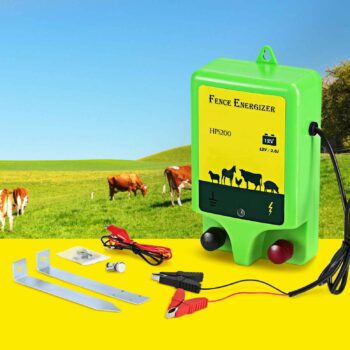
Set up, extend or maintain an electric fencing system with fence energisers and related fencing equipment from Vartiss Store. The current range includes solar-powered and mains-powered energisers, electric poultry netting, poly wire, poly tape, fence posts, insulators and a digital fence tester for checking voltage and locating faults.
Different electric fencing applications require different energiser outputs, conductor types and installation arrangements. Whether you are managing livestock, poultry or a suitable property boundary, compare the individual product specifications carefully before choosing equipment. Vartiss Store is based in Bentleigh, Melbourne, with delivery available across Australia.
Choosing between fence energisers should be based on more than the advertised maximum fence distance. The effective requirement depends on the complete fencing system and conditions at the installation site.
Fence length, output, power source, enclosure protection and package contents vary between products. Always follow the specifications and installation instructions for the individual energiser.
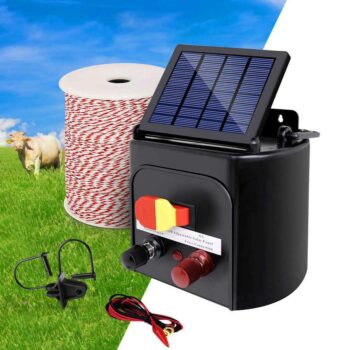
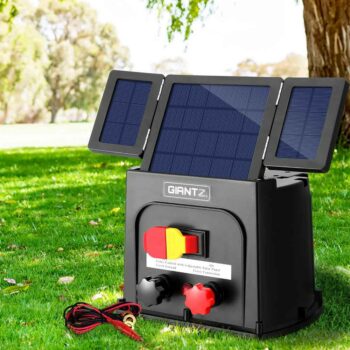
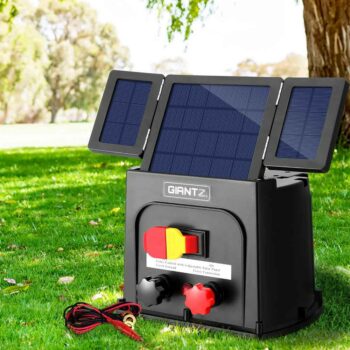
Solar fence energisers make up a significant part of the current range. Available models have different nominal fence-length and energy ratings, including current products specified for approximately 3km, 5km, 8km and 20km applications.
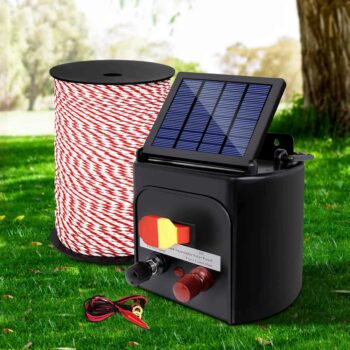
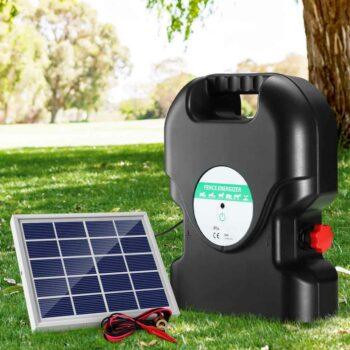
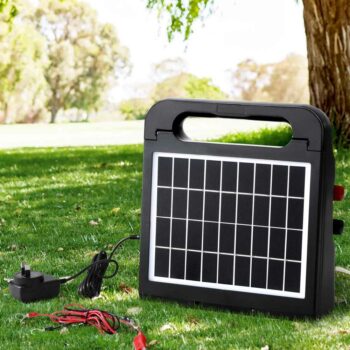
Selected solar models include an integrated rechargeable battery and solar panel. Performance, charging requirements and operating time without sunlight differ between products, so use the individual specifications rather than applying one solar-system expectation across the range.
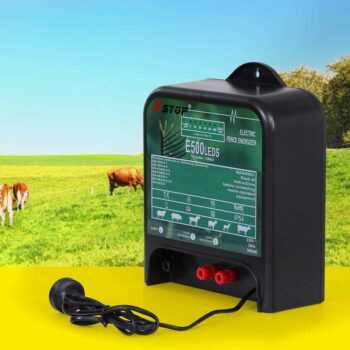
The current collection also includes a 220–240V mains-powered electric fence energiser intended for substantially longer fencing systems. The current model is specified with a 5J output at 500 ohms and a nominal maximum fence length of 120km.
Mains-powered equipment involves additional electrical considerations. Install and operate the unit exactly as instructed by the manufacturer and keep mains connections and associated electrical equipment appropriately protected.
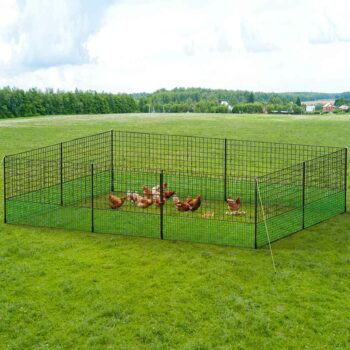
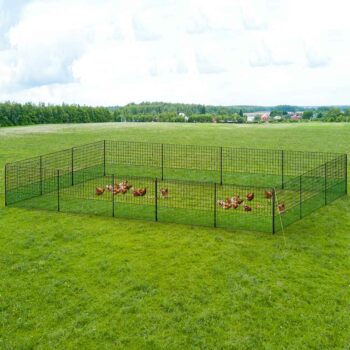
The category currently includes electric poultry netting in different lengths. These products combine a physical netting layout with conductive elements for use as part of a compatible electric fencing system.
Check the net dimensions, post arrangement and energiser compatibility before ordering. Electric netting still requires an appropriate energiser and correctly installed fencing system to operate as intended.
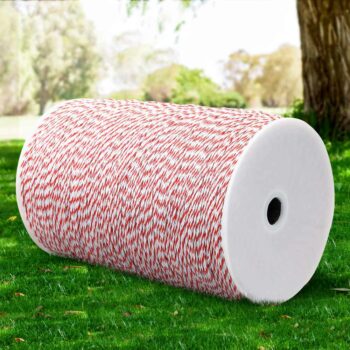
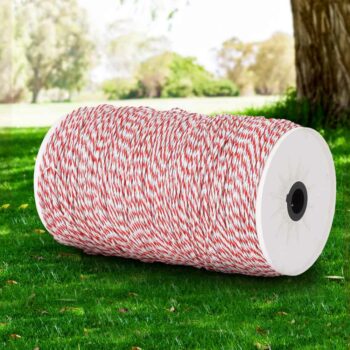
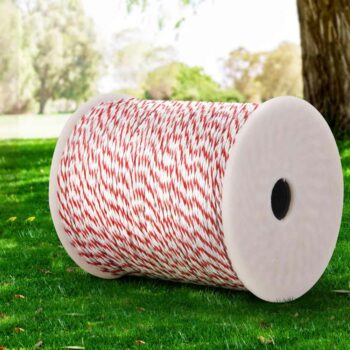
Current products include poly wire in several roll lengths as well as selected poly tape supplied with energiser kits. These conductors form part of the electric fence circuit and must be compatible with the fence layout, energiser and supporting hardware.
Conductor length alone does not determine suitability. Check the material, resistance and individual product specification when planning a longer fence.
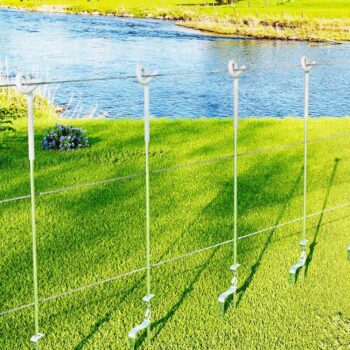
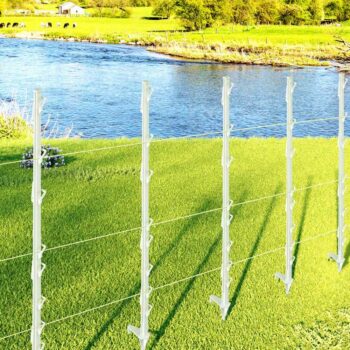
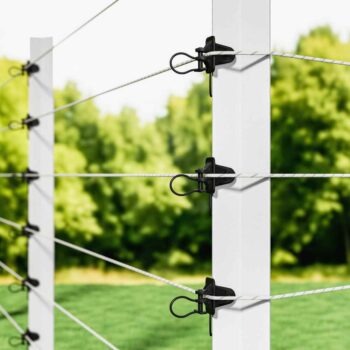
Fence posts, pigtail posts and insulators are also currently available. These components help position and electrically isolate the conductor as required by the fencing system.
Use components appropriate to the conductor type and installation rather than substituting general-purpose hardware that may not provide the required electrical isolation.
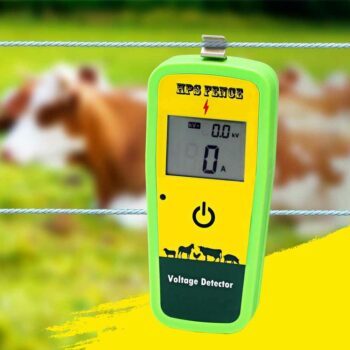
A purpose-designed tester can help check fence voltage and identify problems without relying on unsafe improvised methods. The current digital electric fence tester measures up to 13kV and can indicate current direction to assist with fault finding.
Use testing equipment according to its own instructions and rating. Do not touch an energised fence to determine whether it is operating.
Maximum fence-distance figures can be useful when comparing fence energisers, but they should not be treated as a guarantee of performance over every fence of that length.
Real-world electric fence performance can be influenced by factors including:
For this reason, choose an energiser with reference to the manufacturer's application guidance and installation instructions rather than using the kilometre rating alone.
Solar energisers can be useful where convenient mains power is not available at the fence location. Current Vartiss Store solar models incorporate their own solar charging systems, with specifications varying by energiser.
Position solar equipment as directed by the manufacturer so the panel can receive appropriate sunlight, and maintain the battery and panel according to the supplied instructions.
Mains-powered fence energisers can suit installations where a suitable 220–240V supply is available and the selected energiser is appropriate for the fence system. The current mains model has substantially greater rated output than the smaller solar units in the range.
Electrical connections must be kept safe and protected. Follow all product instructions and use appropriately qualified assistance where electrical installation work is required.
An energiser is only one component of an electric fence. A functioning system can also require appropriate conductors, posts, insulators, earthing equipment, connectors, warning signage and testing equipment depending on the installation.
Before ordering:
For additional rural and property equipment, browse our farm supplies range.
Electric fencing operates by delivering high-voltage pulses. Although purpose-designed systems are intended to use controlled pulses, incorrect installation, inappropriate equipment or unsafe contact can create hazards.
Installation requirements vary by energiser and fencing application. Manufacturer instructions and applicable electrical or fencing requirements should always take priority over general guidance.
Regular checks can help identify faults, damaged components and voltage loss before they become larger problems.
The current digital fault tester provides one option for checking voltage and helping locate faults within a compatible electric fencing system.
Package contents differ significantly between products. Some fence energisers are sold as energiser units, while selected solar kits include additional fencing components.
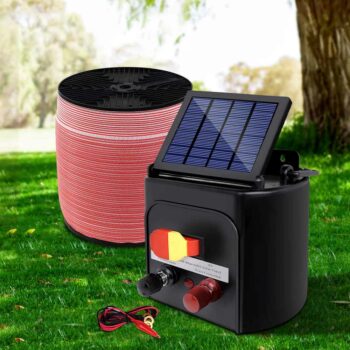
For example, the current 3km solar fence energiser kit includes a solar energiser, 500m of poly wire, post insulators and warning signs. Other current products have different inclusions.
Check the package contents before ordering so you know whether additional posts, conductors, earthing components, connectors, insulators or test equipment will be required for your installation.
Electric fencing equipment forms part of Vartiss Store's broader outdoor and property range. Browse farm supplies for additional rural equipment, or return to the complete Garden & Patio collection for garden storage, shelter and other outdoor products.
Browse fence energisers at Vartiss Store and compare power source, output energy, stated fence length, enclosure protection and package contents before choosing equipment for your electric fencing system.
Pickup from Bentleigh may be available by prior appointment. Delivery is free to Australian capital cities, while regional and remote towns have a flat $30 delivery charge. Delivery availability and timeframes depend on the product and destination.
Compare the current range together with compatible fencing accessories and choose equipment that matches your fence design and intended application.
The current range includes solar-powered energisers with different output and distance ratings plus a mains-powered 220–240V energiser. Availability can change as products are added or discontinued.
Yes. The current category includes electric poultry netting, poly wire, poly tape within selected kits, fence posts, pigtail posts, insulators and a digital electric fence tester.
Consider the energiser's output energy, power source, stated fence length, conductor type, fence layout, vegetation load, earthing and intended application. Do not select a unit using fence length alone.
Yes. Several current models are solar powered, with different energy outputs and nominal fence-distance ratings. Battery capacity, solar-panel specifications and operating characteristics vary by model.
Yes. The current range includes a 220–240V mains-powered model. Follow its electrical installation and safety instructions carefully and obtain suitably qualified assistance where required.
No. Use a purpose-designed electric fence tester. The current Vartiss Store range includes a digital tester rated to measure fence voltage up to 13kV.
Possible causes include vegetation touching the conductor, damaged insulators, poor electrical connections, conductor faults or an inadequate earth system. Use appropriate test equipment and follow the manufacturer's troubleshooting instructions.
Not necessarily. Some current kits include items such as poly wire, insulators or warning signs, while others contain only the energiser and specified accessories. Check the individual package contents and determine what additional fencing and earthing components are required.
Delivery is free to Australian capital cities. Regional and remote towns have a flat $30 delivery charge. Delivery availability and timeframes depend on the product and destination.