Categories
All categories
Create a more protected and organised growing space with greenhouses from Vartiss Store. The current collection includes aluminium polycarbonate greenhouses, walk-in and tunnel greenhouses, lean-to designs, compact covered growing structures and indoor grow tents in a wide range of sizes.
The category also currently includes selected hydroponic grow-tent equipment such as ventilation components, making it useful for both outdoor gardeners and customers creating dedicated indoor growing spaces. Vartiss Store is based in Bentleigh, Melbourne, with delivery available across Australia.
The most suitable greenhouse depends on where it will be positioned, what you plan to grow and how much space you have available.
Specifications, materials, installation requirements and inclusions vary throughout the range. Always check the individual product page before purchasing.
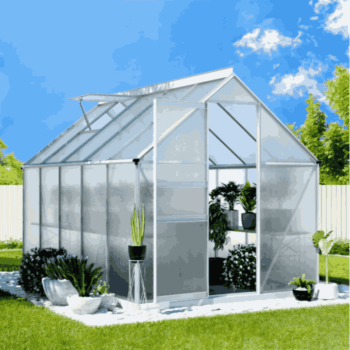
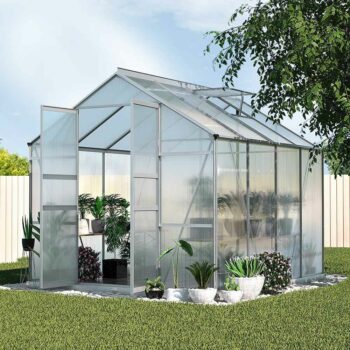
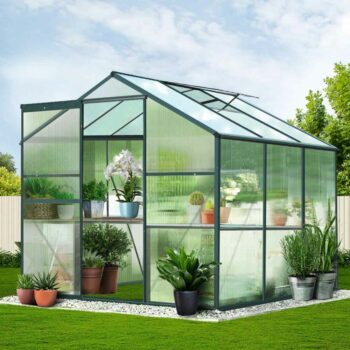
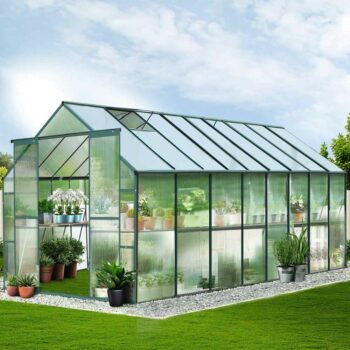
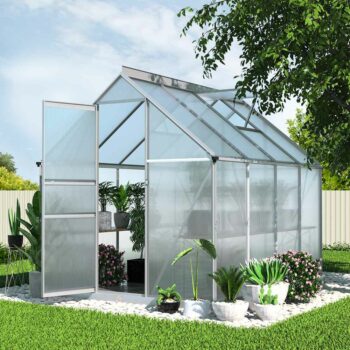
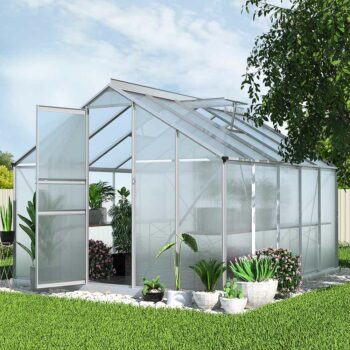
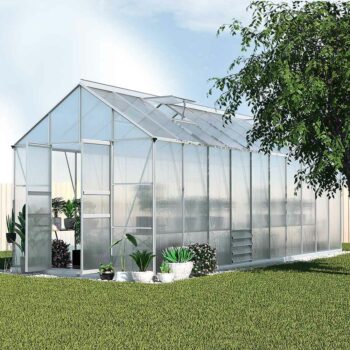
Polycarbonate greenhouses make up an important part of the current range. Available models include aluminium-framed structures in different lengths, widths and roof configurations.
Current products range from relatively compact structures to substantially larger models exceeding 5m in length. Some include single doors while selected larger designs include double-door access.
Polycarbonate panels and aluminium frames should still be installed and secured according to the individual instructions. Do not assume every structure has the same wind rating, panel thickness or anchoring requirements.
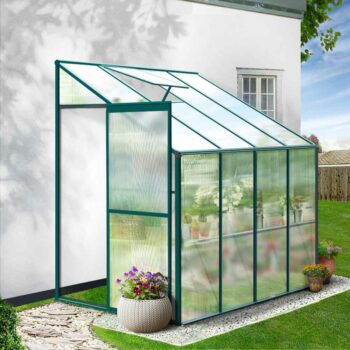
The current collection includes selected lean-to polycarbonate greenhouses designed to sit alongside a suitable wall or structure.
Lean-to designs can help use narrower spaces effectively, but wall proximity, available width, drainage, door access and installation requirements all need to be checked before ordering.
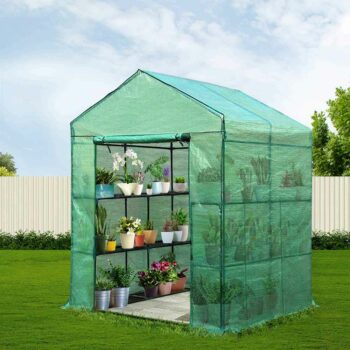
Walk-in greenhouses provide enough height and access for a person to enter the growing area. Current products include covered steel-frame models with roll-up doors as well as designs with integrated shelving.
One current walk-in greenhouse uses a powder-coated steel frame, transparent PVC cover, roll-up zipper door and built-in shelves. It is specifically recommended for a sheltered position away from strong winds. This illustrates why placement and weather guidance should always be checked on the individual product page.
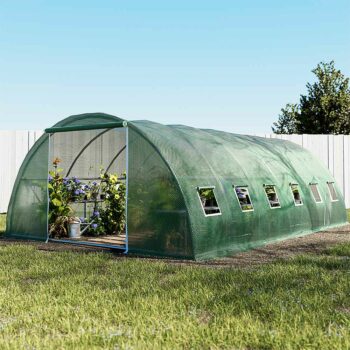
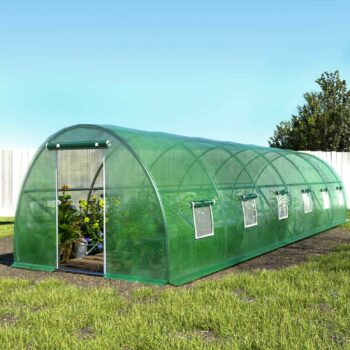
The live range includes larger walk-in tunnel greenhouses in several lengths, including current 3m, 3.5m, 6m and 9m class designs.
Tunnel structures provide longer continuous growing areas but require significantly more installation space than compact covered greenhouses. Measure the entire footprint and allow sufficient working space around the structure for assembly, anchoring and maintenance.
Selected products use more portable or quick-setup designs, including pop-up walk-in greenhouses and smaller covered structures.
Lightweight construction can make repositioning or seasonal storage easier, but it can also increase sensitivity to wind. Follow the anchoring and severe-weather guidance supplied with the individual product.
The current Greenhouses category also contains a substantial selection of indoor grow tents for hydroponic and controlled-environment plant growing.
Current sizes range from compact tents such as approximately 70cm x 70cm x 160cm through to much larger models around 300cm x 150cm x 200cm. Selected tents use powder-coated steel frames, heavy fabric exteriors and reflective Mylar interiors, with access ports for ventilation, ducting and electrical cables.
Grow tents are intended for suitable indoor growing setups rather than outdoor greenhouse use. Check the individual frame capacity, ventilation layout, electrical access and included components before installing lights, fans or other equipment.
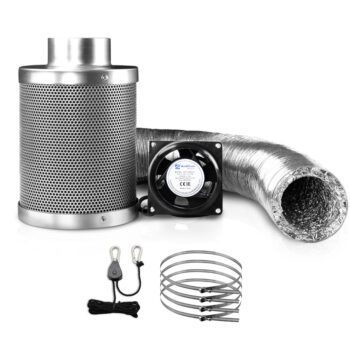
The category currently also includes a 6-inch ventilation kit with fan, activated-carbon filter and ducting for compatible grow-tent setups.
Ventilation equipment can help move air through an enclosed growing area, but fan sizing, electrical supply, filter compatibility and duct routing should be checked against the actual grow-tent configuration.
Polycarbonate structures generally use rigid panels supported by an aluminium or other structural frame. They can suit customers wanting a more permanent-style backyard greenhouse where the installation location and anchoring requirements are appropriate.
Panel thickness, UV-related properties, frame design and weather ratings can vary between models, so check the individual specifications rather than assuming one construction standard applies across the category.
Selected walk-in models use transparent PVC or similar flexible covers over steel frames. These can provide a lighter growing structure and may include shelving, zipper doors or removable covers depending on the model.
Lightweight covered greenhouses should be positioned carefully. One current model specifically recommends sheltered placement and avoidance of strong wind, storms and severe weather.
Indoor grow tents use opaque fabric and reflective interiors rather than transparent greenhouse panels. Their purpose is to create a dedicated indoor growing enclosure where lighting, airflow and equipment can be arranged more deliberately.
They should not be treated as outdoor weather shelters or substitutes for external greenhouses.
Measure more than the nominal footprint of the greenhouse itself. Installation, access and maintenance also require space.
A greenhouse that physically fits into a space may still be impractical if there is insufficient room to assemble it, open the door or access the plants comfortably.
The correct installation position depends on the specific greenhouse, plants and local conditions. Before assembly, consider:
Outdoor greenhouses should be installed on an appropriate site and secured in accordance with their individual instructions. Lightweight covered structures may be particularly unsuitable for exposed locations.
Greenhouses and grow tents can become significantly warmer than the surrounding environment, especially under strong sunlight or artificial lighting. Ventilation is therefore an important part of many growing setups.
Depending on the product, ventilation features may include:
Use the ventilation features provided with the product and monitor growing conditions according to the needs of the plants being cultivated. Do not assume that closing a greenhouse completely will always improve growing conditions.
Indoor grow tents require additional planning because lighting, fans, filters and other electrical equipment may be used inside or around the enclosed space.
Current large grow tents include dedicated ventilation ports, duct openings, cable ports and structural support bars for compatible equipment. One current 300cm x 150cm x 200cm model uses a powder-coated steel frame, 600D Oxford exterior and reflective Mylar lining, together with several ventilation and electrical-access openings.
When creating an indoor grow setup:
Assembly requirements vary significantly across the category. Follow the instructions supplied with the individual greenhouse or grow tent rather than relying on general assembly assumptions.
Do not assume that flooring, foundations or permanent anchoring components are included unless the individual product description specifically states this.
A greenhouse being designed for outdoor use does not mean it can remain safely exposed in every weather condition.
Wind resistance varies substantially between lightweight covered greenhouses, tunnel structures and rigid polycarbonate models. Check the individual product specifications for any stated rating or limitation.
Maintenance should match the materials used in the individual greenhouse or grow tent.
Do not use abrasive cleaners or chemicals that may damage transparent panels, coated frames or fabric surfaces.
Greenhouses can form part of a broader backyard growing and storage area. Explore our garden sheds if you also need outdoor storage for tools, pots or suitable gardening equipment.
You can also browse the complete Garden & Patio collection for outdoor furniture, shelters, garden storage and other backyard products.
For selected rural-property and poultry equipment, our farm supplies range provides additional options.
Browse greenhouses at Vartiss Store and compare dimensions, frame materials, panels or covers, ventilation, access and installation requirements before choosing the right growing space.
Pickup from Bentleigh may be available by prior appointment. Delivery is free to Australian capital cities, while regional and remote towns have a flat $30 delivery charge. Delivery availability and timeframes depend on the product and destination.
Compare the current range of polycarbonate greenhouses, walk-in structures, tunnel greenhouses and indoor grow tents to find an option suited to your available space and growing setup.
The current range includes aluminium polycarbonate greenhouses, lean-to designs, walk-in greenhouses, tunnel greenhouses, compact covered structures and indoor grow tents. Product availability changes over time.
Yes. The current category contains a substantial number of indoor hydroponic grow tents in different sizes, together with selected ventilation equipment for compatible growing setups.
No single weather rating applies across the range. Some products have specific weather-resistant or waterproof cover claims, while others use different materials and installation methods. Check the individual product specifications.
Only where the individual greenhouse dimensions, weight, anchoring requirements and intended use suit the location. Selected lightweight models may suit sheltered balcony areas, but larger tunnel and polycarbonate structures require substantially more space and appropriate installation conditions.
Yes, many current products require assembly, but the complexity varies significantly. Some lightweight models use tool-free assembly, while larger framed greenhouses require more extensive installation. Check the individual listing.
Only selected models. Some current walk-in greenhouses include integrated shelves, while many polycarbonate and tunnel greenhouses do not. Always check the package contents before ordering.
Follow the anchoring method specified by the manufacturer for the individual product and installation surface. Do not assume the same anchoring system applies to every greenhouse.
Compare overall dimensions, frame construction, reflective lining, ventilation ports, cable access, equipment support capacity and the space required for lights, fans and filters. Check electrical equipment separately for compatibility and safe installation.
Delivery is free to Australian capital cities. Regional and remote towns have a flat $30 delivery charge. Delivery availability and timeframes depend on the product and destination.